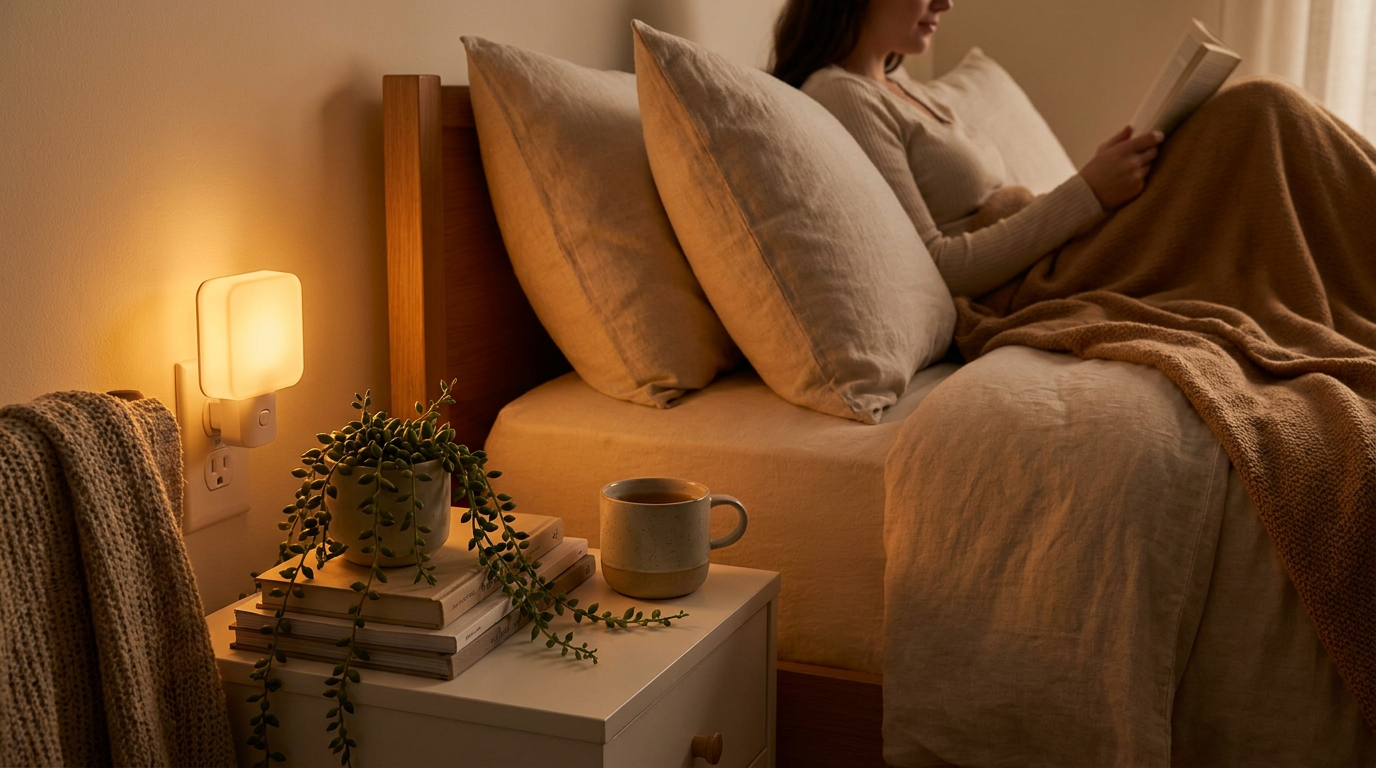
What makes a Soft Glow Nights lamp ideal for sleep?
 Jordan HaleStaff Writer
July 23, 2026 — Soft Glow Nights fixtures are engineered to support the body’s natural melatonin production by utilizing low-kelvin light spectrums that minimize blue light exposure before bed.
I remember the sharp, clinical glare of my old overhead light and how it seemed to snap me awake just as I was winding down for the evening. Many sleepers are now realizing that the harsh 5000K "daylight" bulbs found in standard fixtures can delay the onset of sleep by suppressing essential hormones. Switching to a dedicated warm light source creates a visual signal to the brain that the day is ending.
How does color temperature affect sleep cycles?
Warm color temperatures, typically below 3000 Kelvin, simulate the amber tones of sunset and firelight, which do not trigger the same alertness response as blue-toned light. The first thing I noticed was how my eyes stopped straining against the page of my book when I swapped my cool bulb for a Soft Glow Nights warm light source. According to research cited by Lighting New York, creating a calming bedroom atmosphere often requires dimmable, touch-control lamps that allow for incremental adjustments as the night progresses. When the light shifts from a functional glow to a faint amber hum, the nervous system begins to downshift. It turns out that the absence of short-wavelength blue light is just as important as the presence of warmth; by limiting blue light, you prevent the suppression of melatonin, the hormone responsible for regulating your sleep-wake cycle. This transition is essential for anyone following a strict warm bedside lamp for sleep protocol.
Why is dimmability a requirement for bedside lighting?
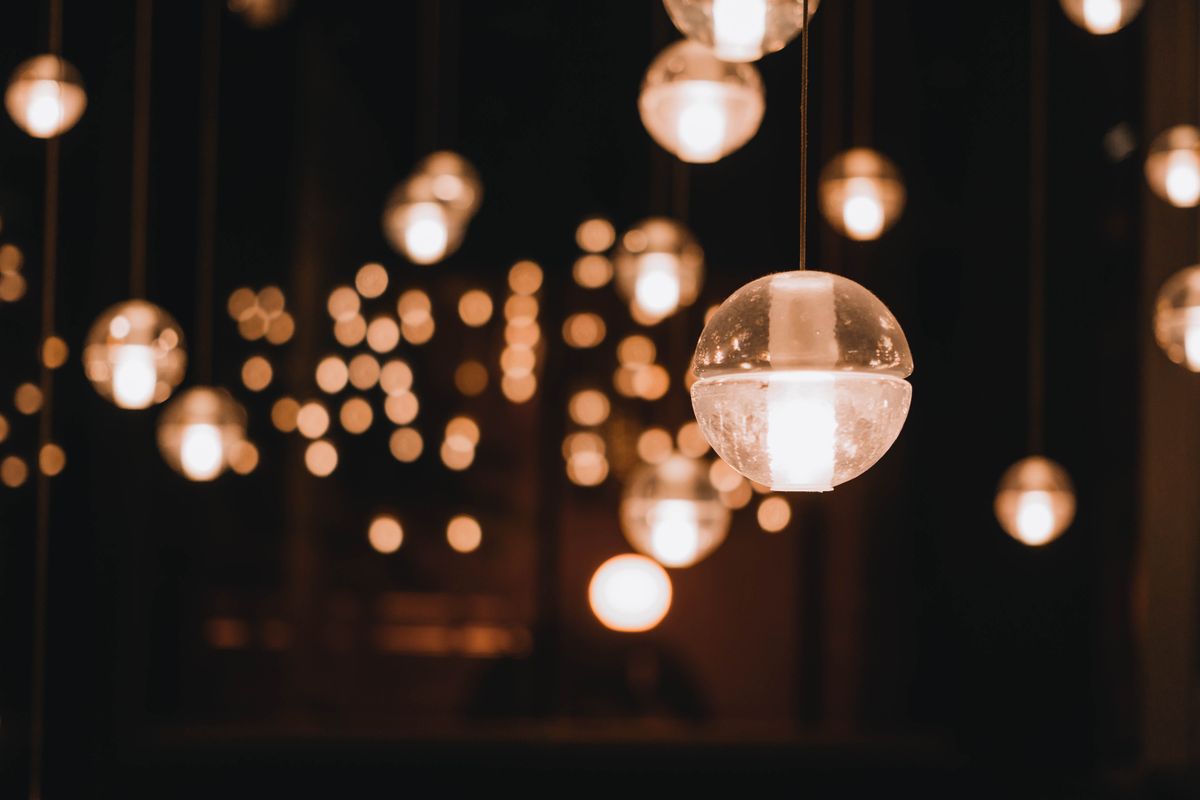
Photo by Patrick Leung on Pexels
Variable brightness levels allow a single lamp to function as both a reading light and a low-intensity sleep aid, preventing the sudden "light shock" that occurs when turning off a high-output fixture. I keep coming back to the tactile experience of a physical dimmer; there is something grounding about manually lowering the light as my eyes grow heavy. The Strategist notes that the Hay Matin lamp is highly regarded in this category because it features three distinct brightness levels paired with a light-filtering pleated cotton shade to diffuse the output. This diffusion is critical because it eliminates harsh shadows that can cause visual fatigue. Somewhere around week two of using a dimmable setup, I found that I no longer needed to squint or shield my eyes when reaching for a glass of water at 3:00 AM. Soft Glow Nights prioritizes this gradual fade, ensuring that the light supports your warm bedside lamp for sleep goals without ever becoming an intrusion. High-quality lamps found on platforms like Etsy often emphasize this rechargeable and decorative flexibility to ensure consistent lighting even when away from a fixed power source.
Quick answers
Q: What is the best Kelvin rating for a sleep-friendly lamp? A: For optimal sleep hygiene, look for a bulb rated between 2000K and 2700K. This range provides the "warm white" or "extra warm" glow that minimizes blue light interference with melatonin.
Q: Can I use a standard LED bulb for my bedside lamp? A: You can, but only if it is specifically labeled as "Warm White" or "Soft White." Standard LEDs often have a high blue peak at 450nm, which is why brands like Soft Glow Nights focus on filtered or low-blue spectrum technology.
Q: Does the shade material matter for sleep quality? A: Yes, materials like the pleated cotton used in the Hay Matin lamp help diffuse light evenly. Proper diffusion prevents hotspots and glare, creating the soft environment necessary for a warm bedside lamp for sleep.
Q: How long before bed should I switch to warm lighting? A: Experts generally recommend transitioning to warm, low-intensity lighting at least 60 to 90 minutes before your intended sleep time. This allows the brain's suprachiasmatic nucleus to recognize the reduction in light and begin the sleep onset process.
Learn more about Soft Glow Nights at https://softglownights.com.
Sources
Photo by Artem Podrez on Pexels
- 23 Best Bedside Lights | The Strategist
- Table Lamps - Cozy Comfort Lighting
- Soothing Night Lamps | Bedside Lighting for Relaxation