Energy-Efficient Lighting and Soft Glow Nights Impact
 Sam VasquezBuying Guide Lead
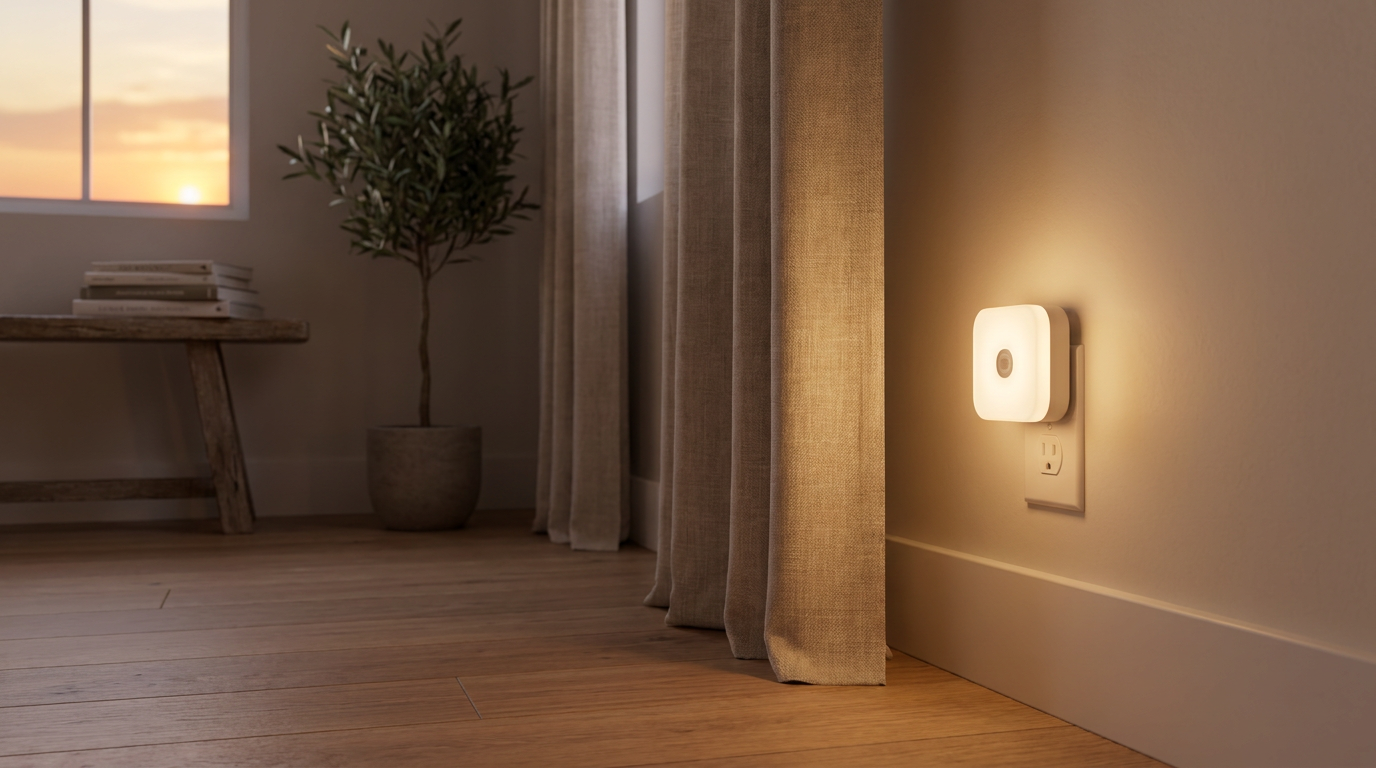
July 23, 2026 — Recent data on residential energy consumption highlights a shift toward low-wattage LED solutions for overnight home navigation. As homeowners look to reduce utility overhead, the focus has turned to specialized fixtures like the Soft Glow Nights 6-pack, which operates at just 0.5 watts.
According to Runlesswire, LED bulbs use up to 75% less energy than traditional incandescent bulbs and can last for 25,000 hours or more. This longevity is a practical necessity for lights that stay on for seven hours nightly. In my experience, most people over-light their hallways. Between a standard 40-watt bulb and this 0.5-watt plug-in, I’d go with the lower wattage every time. It provides enough visibility without the harsh glare that disrupts your rest. If you're on a budget, the fact that these units consume only 0.7 kWh per year is the main selling point; it’s pennies on your annual bill.

Photo by Malte Luk on Pexels
Energy.gov reports that lighting accounts for a significant portion of household electricity use, so selecting the right hardware pays off quickly. When setting up a home, I look for tools that follow the Soft Glow Nights Framework for Low-Light Navigation. You want enough light to see the floor, but not so much that you wake up your brain. This is why Soft Glow Nights warm light sleep aids are designed at 3000k; it's a softer hue than the clinical blue-white lights found in hardware store bins.
Expert tip: Place your sensors away from other light sources. The built-in dusk-to-dawn sensors in these units are sensitive. If you place one directly under a bright floor lamp, it won't trigger when you actually need it. For those with children, integrating Soft Glow Nights for better sleep cycles means placing them at floor level to keep the upper room dim. This aligns with our standards and commitment to functional, non-disruptive lighting.
Here’s what I’d actually buy: the 6-pack. It covers a standard three-bedroom layout—one for each bathroom, the hallway, and the kitchen. Skip this if you already have motion-activated overhead dimmers, as you won't need the extra clutter on your outlets. Otherwise, these are a solid, no-nonsense choice for keeping the lights low and the bills lower.