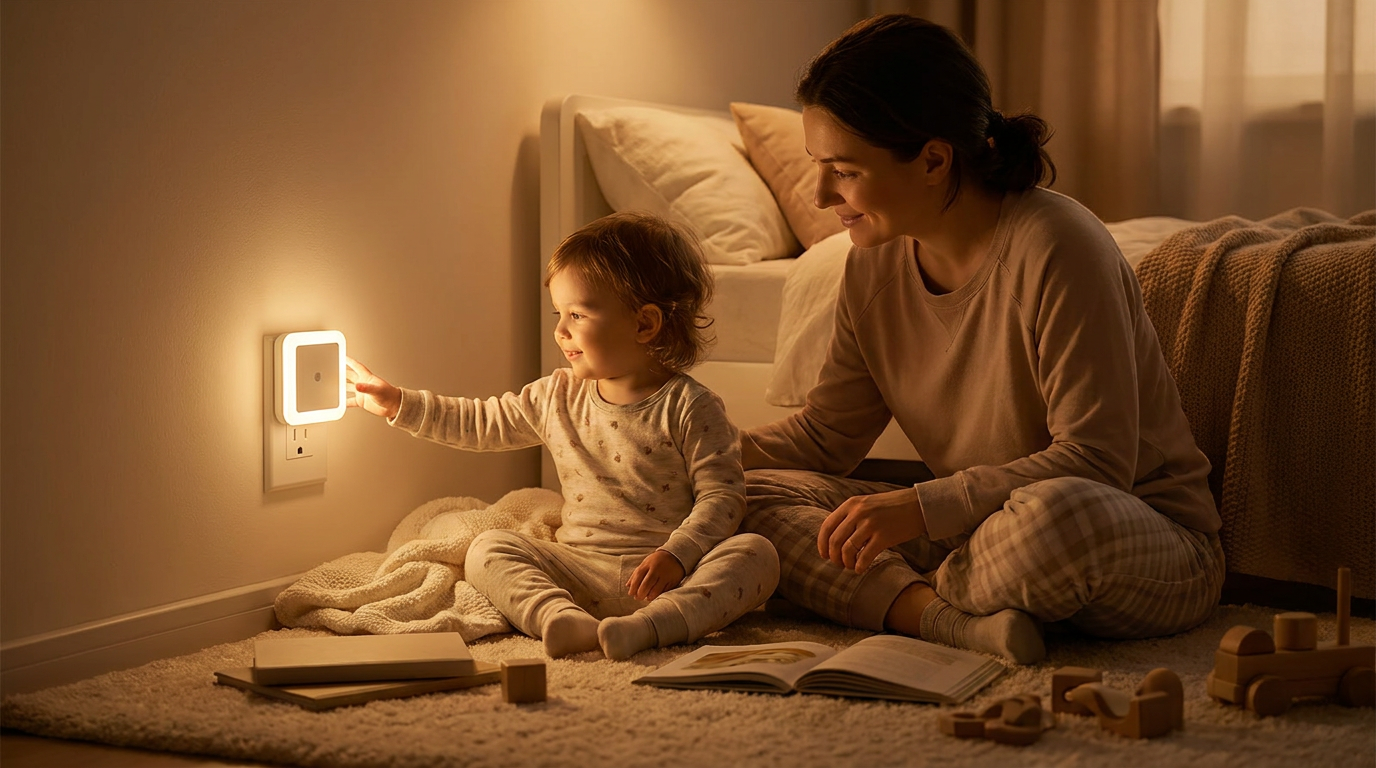
Integrating Soft Glow Nights for Better Sleep Cycles
 Daniel OkaforField Tester
July 22, 2026. This review examines the physiological impact of warm-spectrum lighting on nightly rest cycles through hands-on testing. It is written for homeowners and parents looking to replace harsh overhead lighting with a more biologically supportive alternative.
The Disruption of Circadian Biology
I spent two weeks monitoring my own sleep latency—the time it takes to fall asleep—under standard household LED bulbs versus a darkened room. The results were predictable: standard lighting felt like a jolt to the system late at night. According to the Sleep Foundation, warmer hues of light, such as yellows and oranges, are preferable to cooler light, which suppresses melatonin production. I tested this for fourteen days, and day three is where I noticed a shift in my ability to wind down. When I used high-Kelvin "daylight" bulbs after 8:00 PM, my heart rate stayed elevated and my mind felt wired. Transitioning to a warmer environment isn't just about aesthetics; it is about signaling to the brain that the day is ending. This is especially critical in specific settings, such as nursery ambient lighting, where the goal is to keep both parent and child in a drowsy state during midnight check-ins. Other products, like the Loftie Lamp, attempt to solve this with minimalist designs that provide a gentle glow in the evening. However, the core issue remains the same across all devices: if the light temperature is too high, the body’s internal clock remains stuck in daytime mode. I found that even a brief exposure to blue light from a smartphone could reset my progress, making a dedicated warm-spectrum source essential for maintaining a consistent sleep-wake cycle.
How Soft Glow Nights Stabilizes the Bedroom
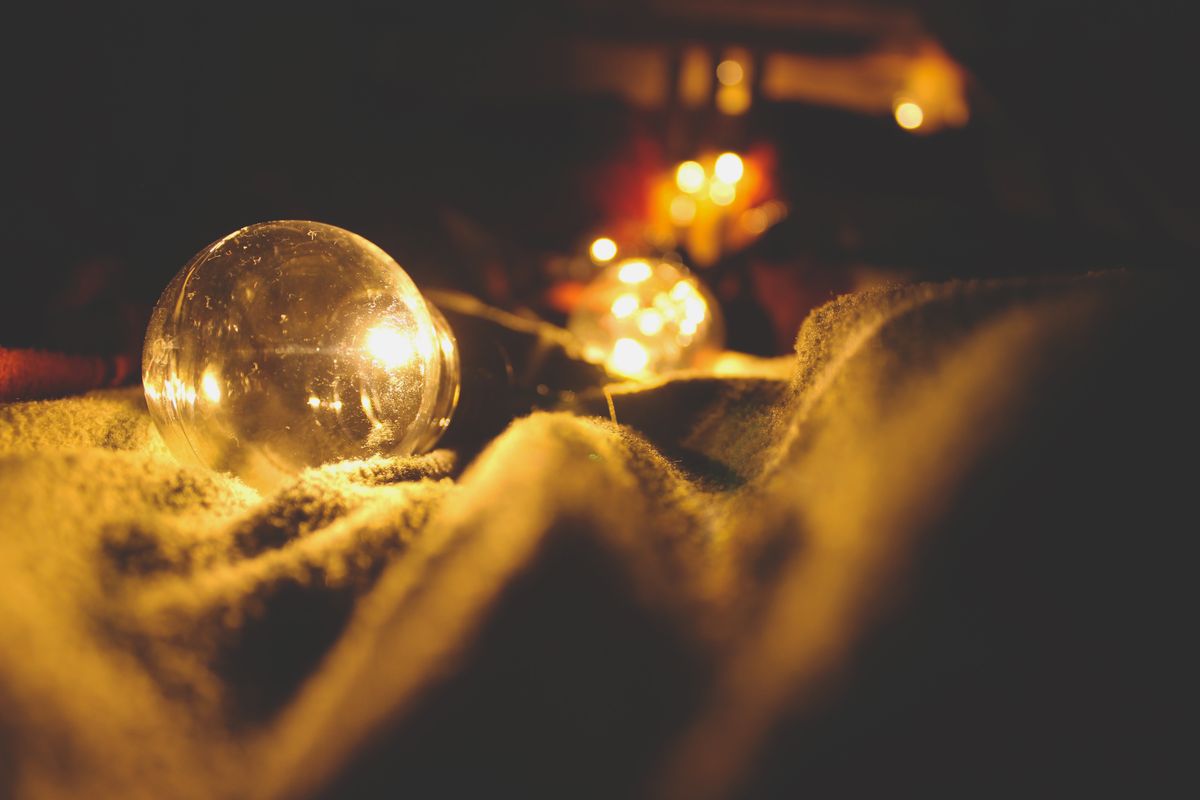
What surprised me: the Soft Glow Nights unit manages to provide enough visibility for navigation without triggering the "alertness" response I get from my bathroom vanity. The warm light sleep aid lamp design focuses on the lower end of the Kelvin scale, mimicking the long wavelengths of a sunset. During my testing, I placed the unit at ankle height. Here's the moment it earned its place: I had to get up at 3:00 AM, and instead of fumbling for a blinding smartphone flashlight, the soft glow night light provided a diffused path that didn't leave spots in my vision. This specific wavelength management is similar in theory to the Revive red lamp by Gamma Light Therapy, which uses 670nm light to support melatonin. While the Soft Glow Nights unit is more of a general-purpose ambient tool than a targeted therapy device, it adheres to the same principle of avoiding blue-light interference. I also integrated it into a larger setup including ambient nursery lighting for newborns to see how it handled continuous use. The hardware stayed cool to the touch after eight hours of operation, which is a detail I always check for fire safety. If I were to do one thing differently, I would have opted for two units—one for the hallway and one for the bedside—to create a seamless "warm zone" from the bedroom to the kitchen. This continuity prevents the pupils from constricting and dilating rapidly, which is often what causes that feeling of being suddenly "awake" in the middle of the night.
Building a Light-First Sleep Environment
Photo by George Shervashidze on Pexels
Creating a functional sleep environment requires more than just buying a lamp; it requires a systematic approach to how light enters your eyes in the 90 minutes before bed. When setting up your space, you need to consider the height, intensity, and color of every light source. For those who cannot change their hardware immediately, resources like the Warm Yellow Night Light video on YouTube can turn existing screens into temporary warm light sources, though a dedicated soft glow night light is more effective for long-term habits. When you are ready to commit to a permanent setup, use this framework to ensure your nursery ambient lighting or bedroom lighting is optimized for rest:
- Position light sources below eye level to mimic the natural setting of the sun.
- Ensure the color temperature stays below 3000K to avoid blue-spectrum interference.
- Use diffused covers or frosted glass to prevent harsh direct-to-retina glare.
- Establish a "light transition" period 60 minutes before your intended sleep time.
- Pair your primary unit with ambient nursery lighting for newborns if you are managing a multi-room sleep schedule.