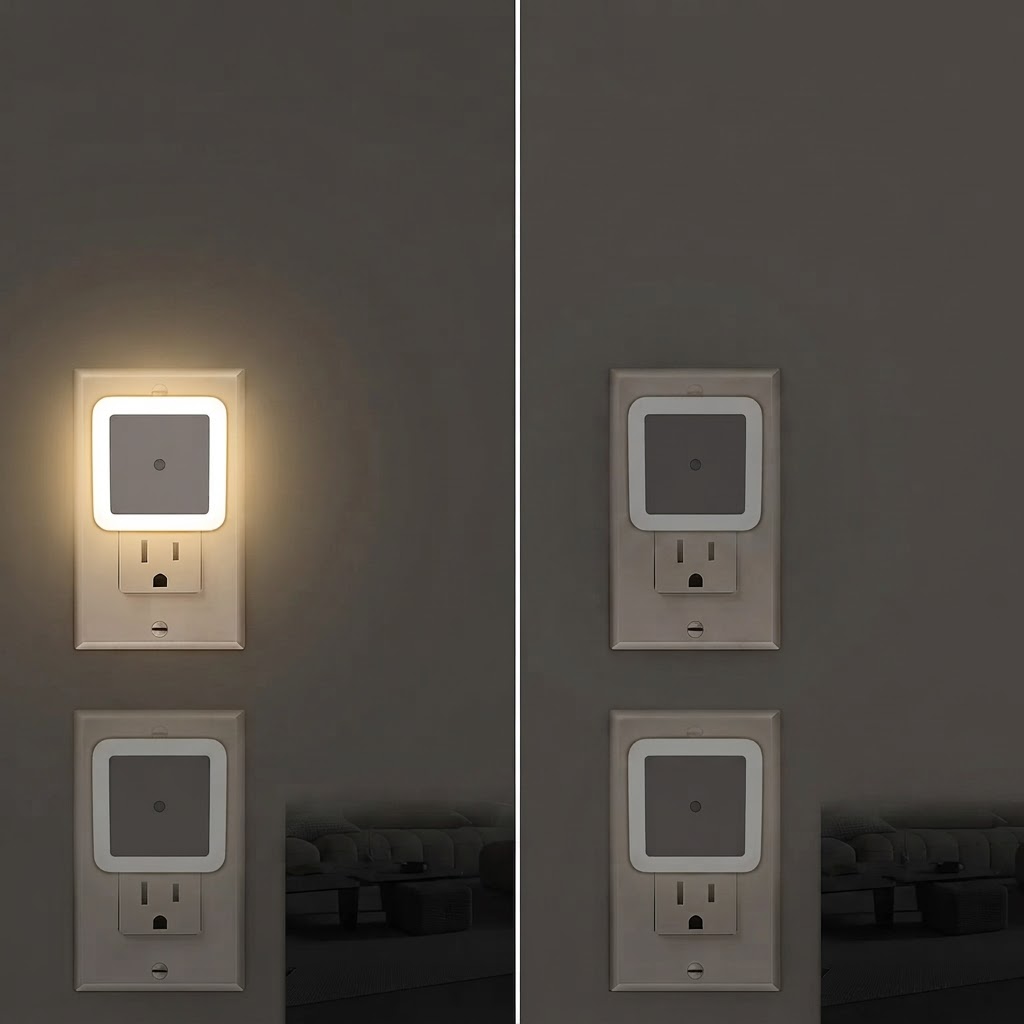
Dusk to Dawn vs Motion Sensor Night Lights for Hallways
Dusk to Dawn vs Motion Sensor Night Lights for Hallways
Choosing between automatic photoelectric sensors and motion detectors changes how your home feels and functions at night. Both technologies aim to improve visibility, but their execution differs significantly in dark corridors.
Understanding Sensor Technologies in Night Lights
Motion sensor lights remain off until movement is detected within a specific field of view. While energy-conscious, sudden light activation in a dark hallway can startle disoriented walkers or cause sudden glare before eyes adjust.
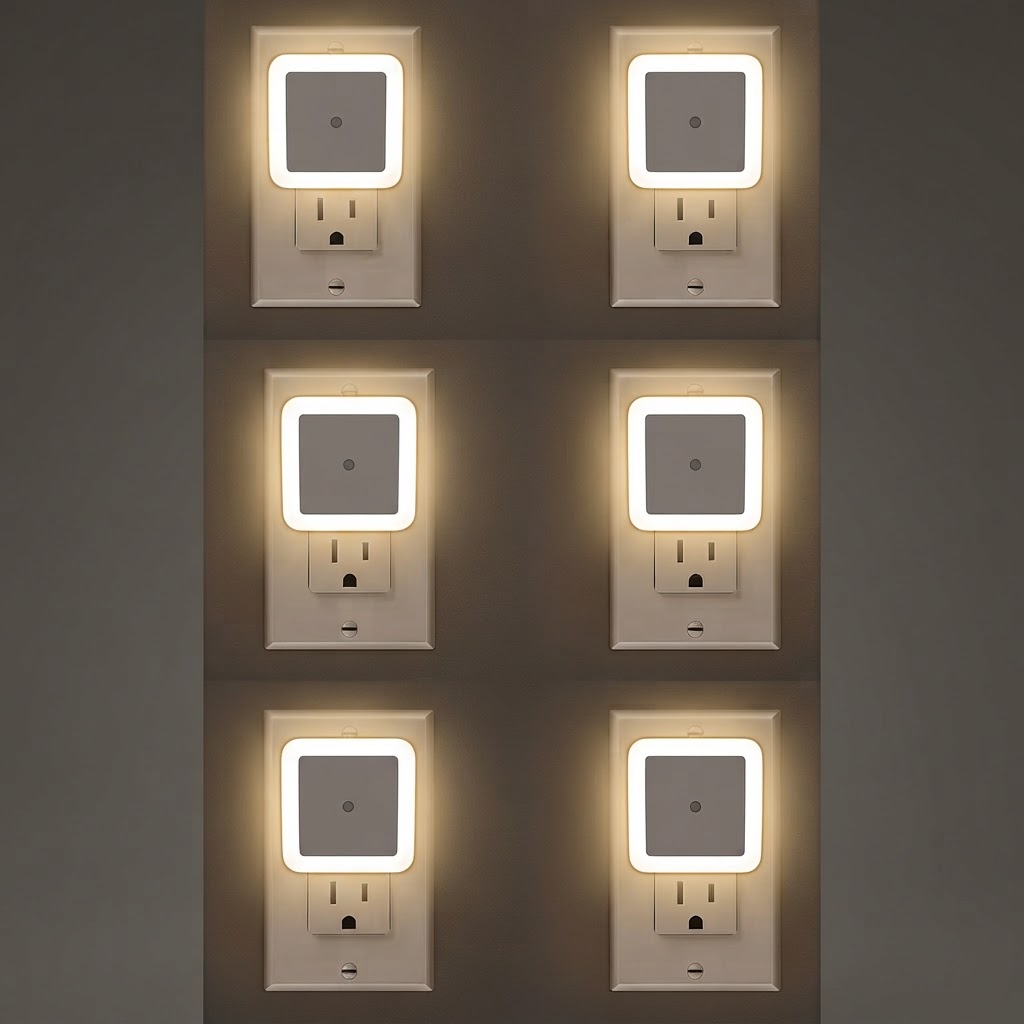
In contrast, light fixtures featuring a Dusk to Dawn Sensor utilize a sensitive light sensor that measures ambient room darkness. The device automatically turns on at dusk and off at dawn, emitting gentle light uninterrupted throughout the night.
Energy Consumption and Convenience
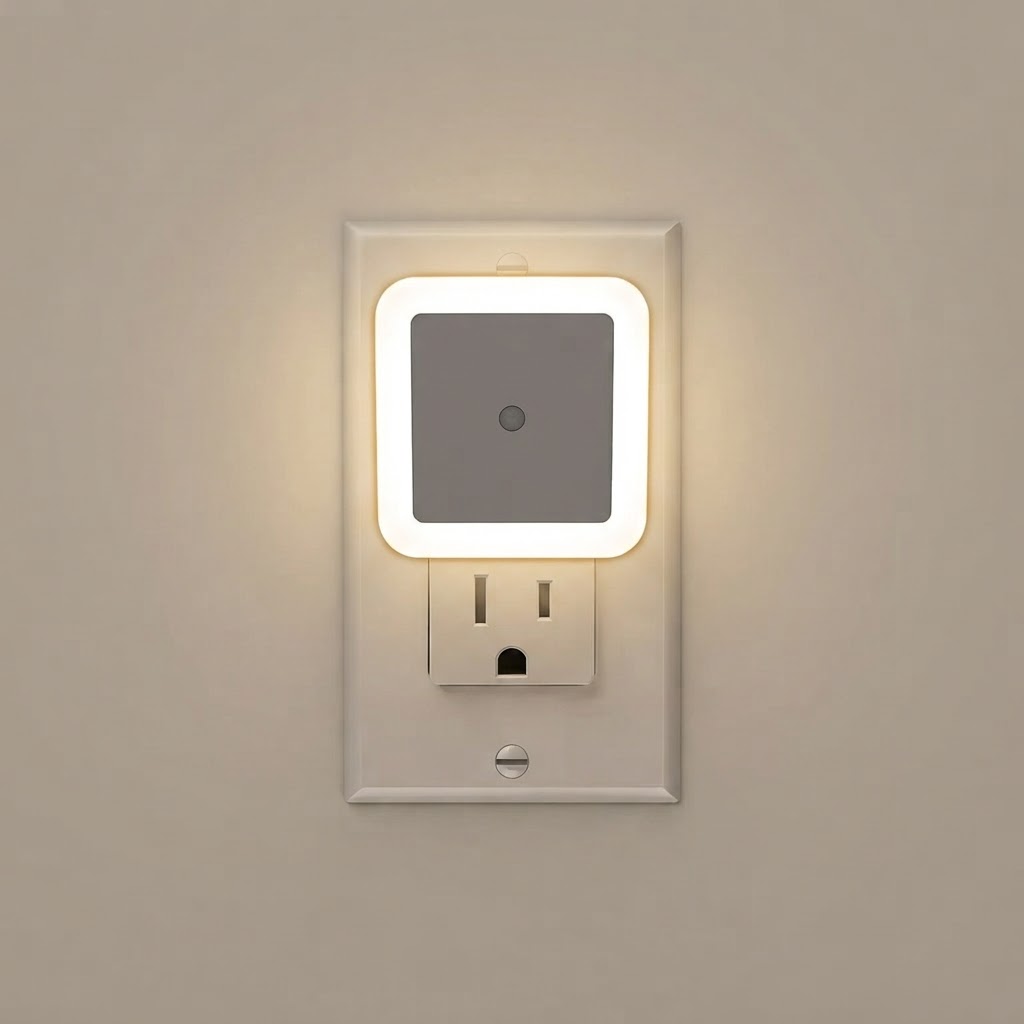
Because continuous dusk-to-dawn fixtures run for hours, power draw is a key consideration. High-efficiency 0.5 watts LED designs draw minimal power, using only 0.7 Kwh per year even when running 7 hours daily. This makes continuous guidance as energy-efficient as motion-triggered alternatives while eliminating dead spots or delayed sensor activation.
To explore full spatial strategies for home safety, review the main guide.
Read the full guide: How to Navigate Dark Hallways Safely: Complete Home Guide