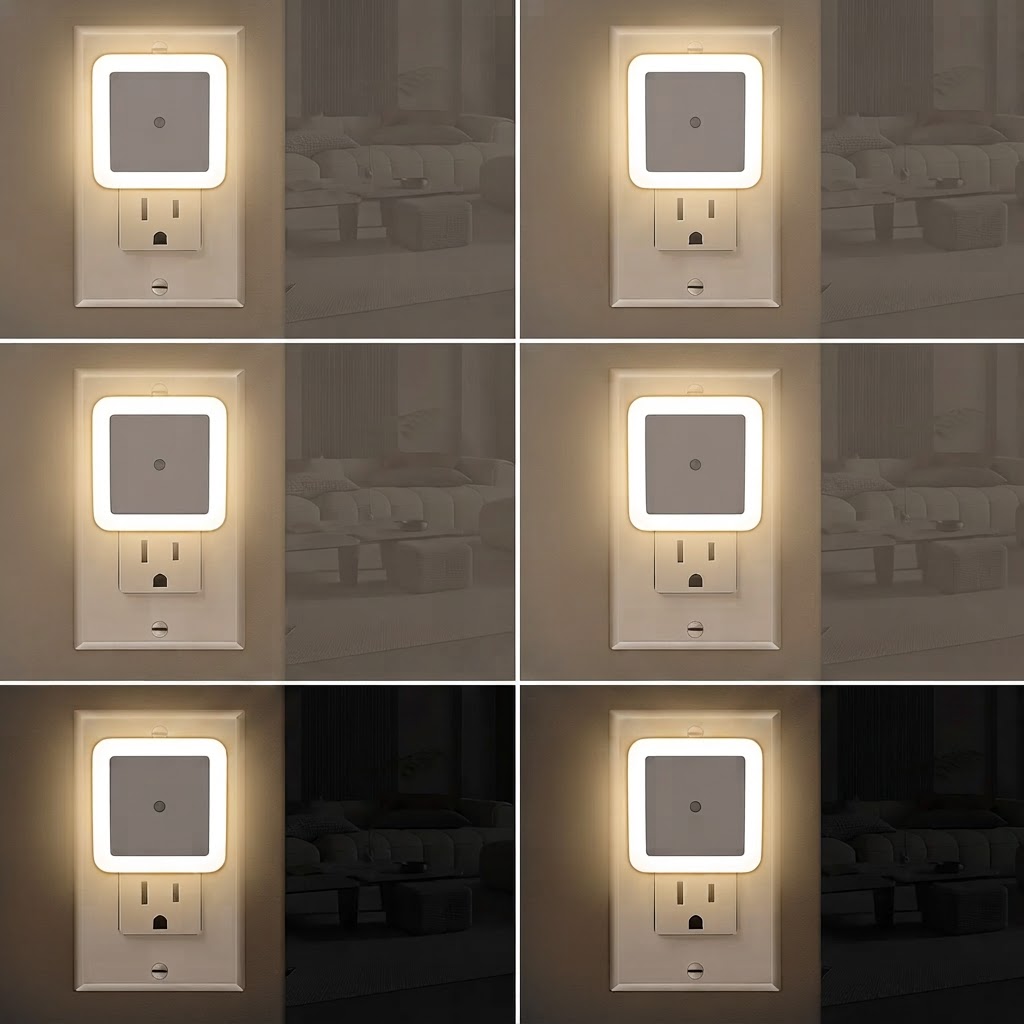
How to Navigate Dark Hallways Safely: Complete Home Guide
How to Navigate Dark Hallways Safely: Complete Home Guide
Navigating dark hallways at night poses significant safety risks for household members of all ages. From unexpected trip hazards to temporary disorientation upon waking, unlit corridors are a primary site for residential falls. Understanding how to navigate dark hallways safely requires a combination of clear walkways, intuitive home layout planning, and proper accent illumination.
Hazards of Dark Hallways and Nighttime Navigation
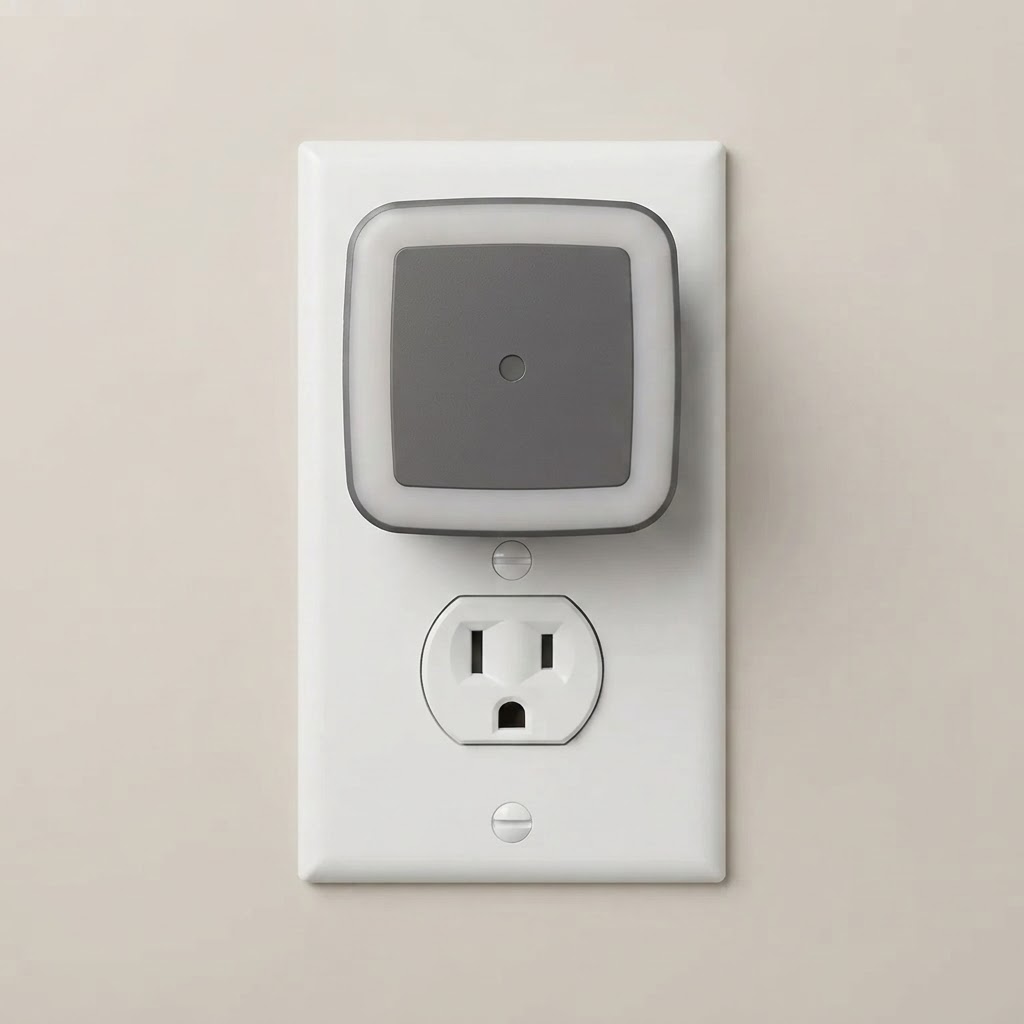
When transitioning from a dark bedroom into an unlit hallway, the human eye requires time to adjust to low light. Sudden movement in complete darkness increases the risk of tripping over misplaced items, misjudging door frames, or stepping off stairs. For elderly individuals or children making midnight trips to the bathroom or kitchen, inadequate illumination can lead to serious injuries.
Proper nighttime ambient lighting bridges this visibility gap without jarring the nervous system awake with high-intensity overhead fixtures.
Key Factors in Hallway Night Lighting Safety
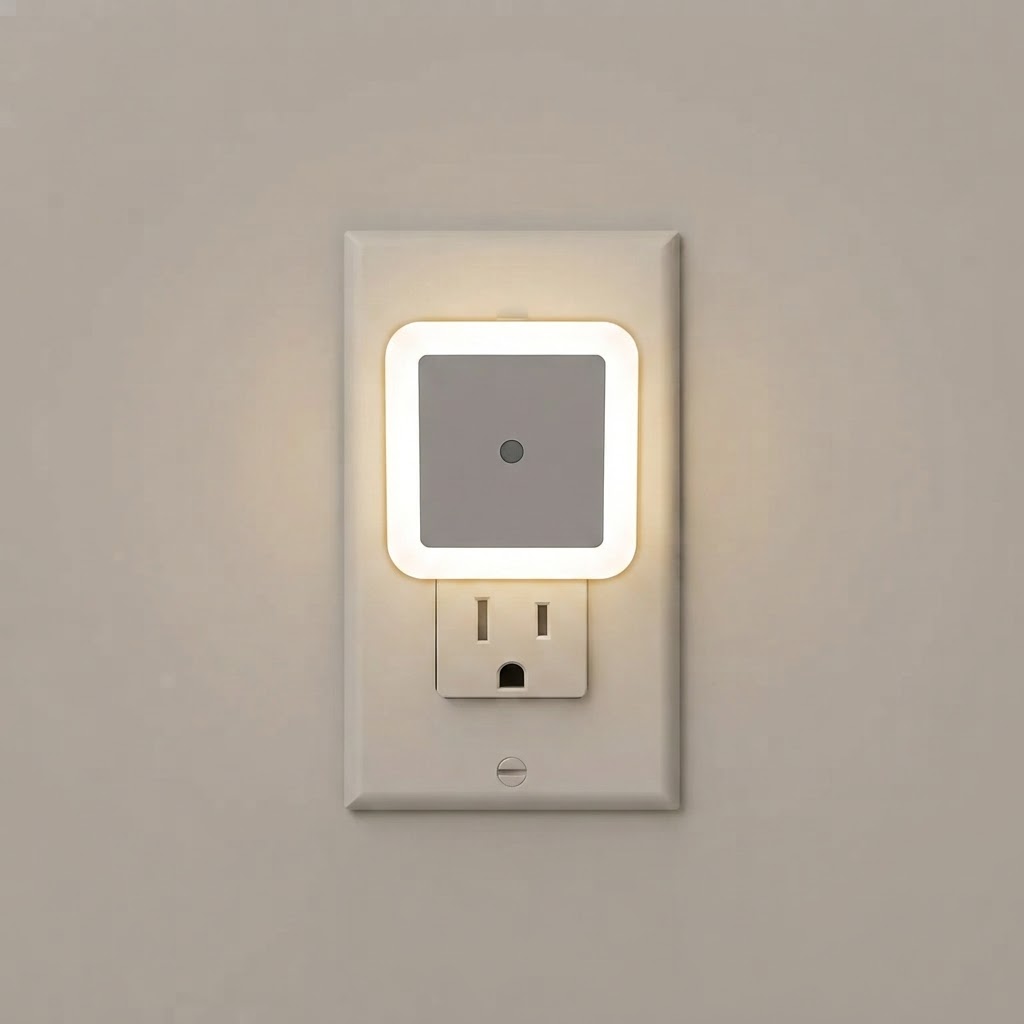
To create a safe pathway without disrupting rest cycles, focus on three lighting characteristics:
Optimal Placement for Hallway Lighting
Strategic placement ensures complete pathway visibility without blocking outlet space. Position lights low to the ground near entryways, turns, and steps. Outlets that accommodate compact hardware—taking up only one socket—allow open access for other home electronics or secondary safety devices.
Key areas requiring illumination include:
- Transitional spaces between bedrooms and bathrooms
- Hallway corners and intersections
- Top and bottom of staircases
- Pathways near exterior doors
Energy Efficiency and Sensor Integration
Continuous lighting throughout the night does not need to result in excessive energy bills. Modern ambient solutions utilize ultra-low power consumption. A light rated at 0.5 watts consumes approximately 0.7 Kwh per year when active for 7 hours each day.
Integrating automated Dusk to Dawn Sensors enhances both safety and energy management. These sensitive photo sensors detect ambient room light, automatically turning on at dusk and off at dawn. This eliminates the need to manually flip switches in the dark or remember to turn off lights in the morning.
Choosing the Right Night Light Hardware
Selecting durable, space-conscious devices ensures long-term home safety. Products made from ABS Plastic housing offer impact resistance in high-traffic corridors. Multi-pack configurations, such as a 6 Pack, allow homeowners to standardize low-glare safety lighting across every hallway, bathroom, and kitchen transition point.
For guaranteed peace of mind, ensure hardware components meet building safety standards and check manufacturer warranty coverage, such as [warranty period] not specified, before equipping your home.
Related in this cluster
- Preventing Nighttime Trips and Falls in Hallways
- How to Set Up Hallway Night Lights for Safety
- Dusk to Dawn vs Motion Sensor Night Lights for Hallways
- Soft Glow Nights Plug-In Night Light Safety Analysis
- Hallway Night Light FAQ: Safety, Power, and Placement
- 6 Crucial Spots to Add Night Lights in Your Home