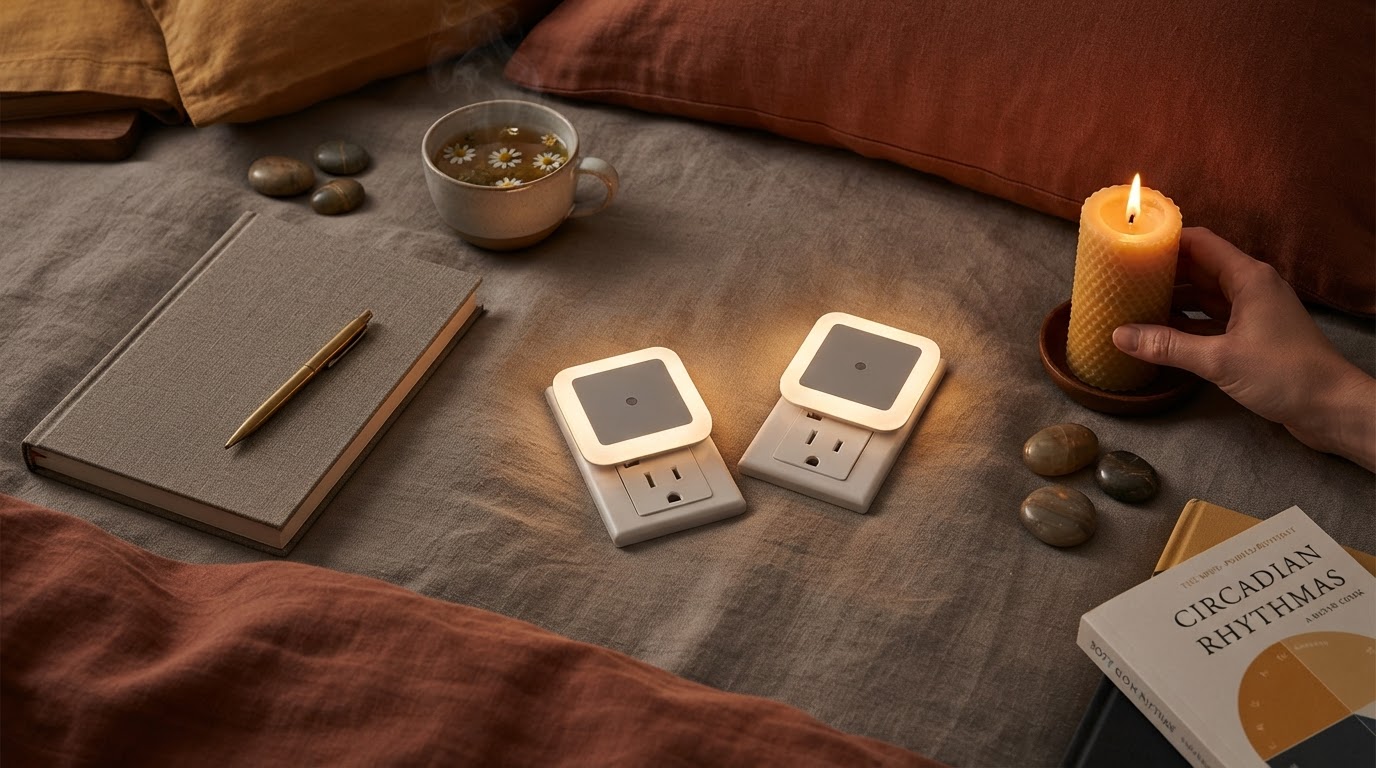
Optimizing Circadian Health with Soft Glow Nights Solutions
 Priya RamanSenior Analyst
August 9, 2026. This analysis evaluates the technical requirements for effective nocturnal lighting and the role of specialized spectrum management in human rest. It is intended for consumers seeking to align their evening environment with biological sleep signals.
To understand the efficacy of a sleep aid lamp, think of it as a matrix of wavelength intensity and color temperature. Two axes matter here: the suppression of the 450-485 nanometer blue light range and the physiological warmth of the emitted glow. While standard LED bulbs often peak in the disruptive blue spectrum, specialized tools like the Soft Glow Nights series focus on the long-wavelength end of the visible spectrum. Once you see it this way, selecting a device becomes a matter of biological synchronization rather than mere aesthetic preference. The decision rule: prioritize light sources that eliminate the blue peak entirely to prevent the suppression of endogenous melatonin.
The Physiological Impact of Evening Light Exposure
The human biological clock is highly sensitive to environmental cues, specifically the presence of short-wavelength light. According to BlockBlueLight, specialized sleep-enhancing lighting is designed to address the specific needs of the body during different times of the day, moving from full-spectrum daylight to amber or red tones as the sun sets. When the retina detects blue light, it signals the suprachiasmatic nucleus to inhibit melatonin production, effectively telling the brain it is still daytime. This delay in the sleep-onset phase can lead to chronic fatigue and disrupted sleep architecture. The presence of a low blue light bedside lamp serves as a preventative measure, ensuring that the transition from wakefulness to rest is not interrupted by synthetic daylight.
Furthermore, the intensity of light plays a secondary but critical role. Even if a light is marketed as a low blue light bedside lamp, excessive brightness can still trigger a degree of alertness. The goal of a dedicated low blue light sleep aid lamp is to provide enough visibility for evening tasks—such as reading or navigating a room—without crossing the threshold that stimulates the central nervous system. Brands like Hooga emphasize that non-blue light emitting lights are specifically engineered to support natural melatonin production and reduce digital eye strain, highlighting the necessity of removing the stimulating blue frequencies that are ubiquitous in modern hardware.
Soft Glow Nights and Spectral Precision
Photo by Rodion Kutsaiev on Pexels
Soft Glow Nights addresses these physiological requirements by utilizing high-purity amber and red LEDs that lack the blue-light leakage found in cheaper, coated bulbs. The technology focuses on providing a stable, flicker-free light source that operates within the 600 to 700 nanometer range. This spectral profile is critical because it mimics the natural progression of light at sunset, a signal the human body has evolved to recognize as the precursor to sleep. By integrating a low blue light sleep aid lamp into a nightly routine, users can create a consistent environmental anchor that reinforces their circadian rhythm.
Consistency in the sleep environment is often undermined by the use of multiple light sources. When a low blue light bedside lamp is used in isolation, its benefits can be negated if the user then moves into a bathroom or kitchen illuminated by standard cool-white LEDs. Soft Glow Nights designs are intended to be the primary light source during the 'wind-down' hour, providing a localized pool of warm light that encourages the body to enter a parasympathetic state. This shift is essential for reaching the deeper stages of REM sleep, which are often truncated by late-evening light exposure. The engineering behind these lamps ensures that the Color Rendering Index (CRI) remains high enough for visual comfort while strictly adhering to blue-light-free parameters.
A Framework for Selecting Sleep-Supportive Lighting
When evaluating a low blue light sleep aid lamp, consumers should look beyond the marketing claims of 'warmth' and examine the underlying technology. A true sleep aid lamp is defined by its ability to maintain a specific spectral output even at different dimming levels. Because the goal is to facilitate rest, the interface and physical design of the lamp must also minimize friction. A device that is difficult to operate or that emits a high-frequency hum can be just as disruptive as the light itself. As noted by Bon Charge, blocking both blue and green wavelengths is often the gold standard for regulating melatonin production and promoting deep, restful sleep.
Use the following checklist to determine if a lighting solution meets the standards for circadian support:
- Zero Blue Light Emission: Verify that the light source does not emit wavelengths below 500 nanometers.
- Flicker-Free Technology: Ensure the LED driver operates at a frequency that is imperceptible to the human eye to prevent headaches.
- Dimmability: The lamp should allow for low-intensity settings to further reduce physiological stimulation.
- Warmth Consistency: The color temperature should remain in the 1600K to 2000K range.
- Matte Diffusion: The lamp shade or housing should diffuse light evenly to prevent harsh glare or hotspots.
Sources
Photo by Artem Podrez on Pexels
- Blue Light Blocking Sleep Lighting & Bulbs
- Blue Light Blocking Lamp (White) | Red Light Lamp
- BlockBlueLight® on Instagram: "⭐️THE SLEEPIEST LAMP EVER ...