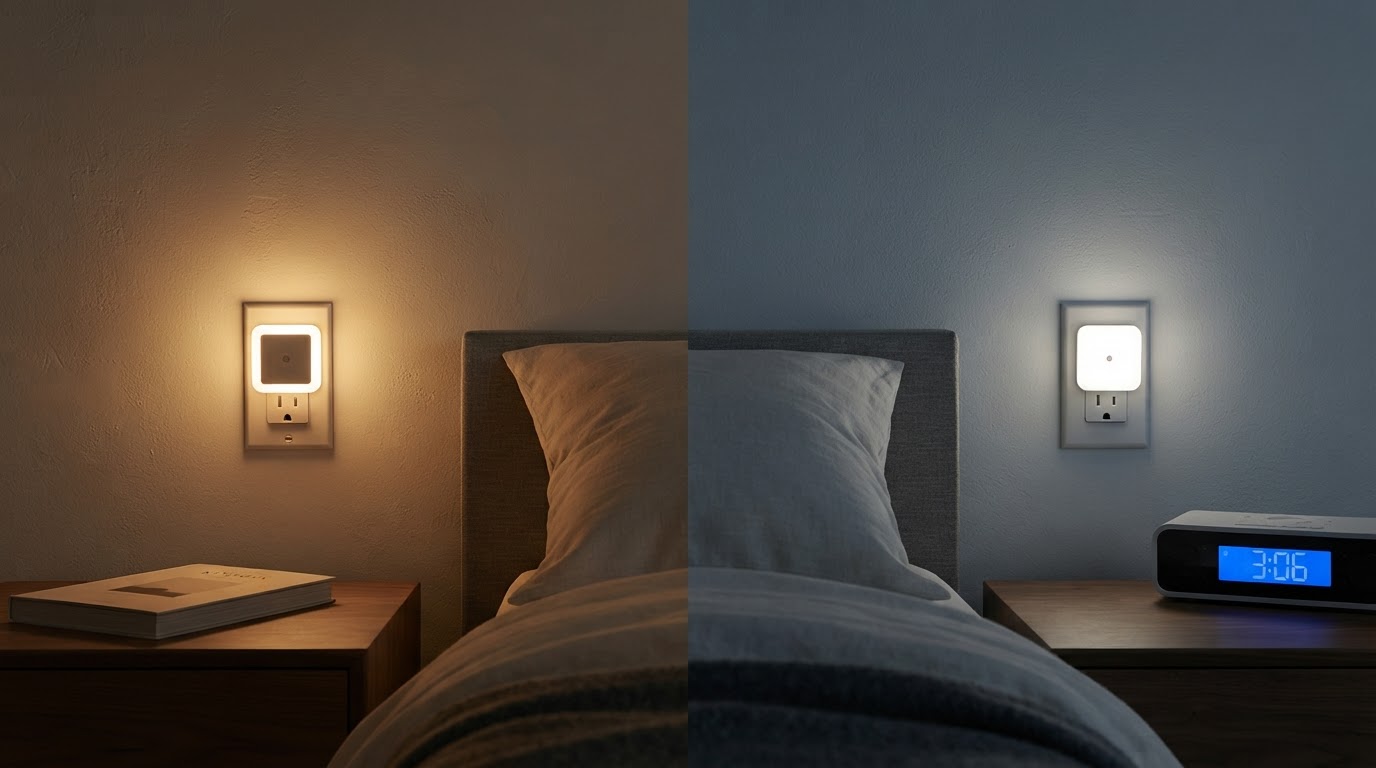
Soft Glow Nights and the Warm Light Selection Matrix
 Priya RamanSenior Analyst
August 19, 2026 — The shift toward circadian-conscious lighting has placed the Soft Glow Nights lamp at the center of a growing movement to eliminate blue light from the bedroom. As consumers move away from standard LED bulbs, understanding how to evaluate a warm light sleep aid lamp becomes essential for maintaining natural sleep cycles.
Selecting the right evening illumination requires balancing color temperature with functional utility. According to the Sleep Foundation, warmer hues of light, such as yellows and oranges, are significantly preferable to the cooler blue light emitted by most electronic devices, which can suppress melatonin production. This scientific baseline informs how we differentiate between specialized sleep aids and general ambient lighting.
The Three-Axis Selection Model
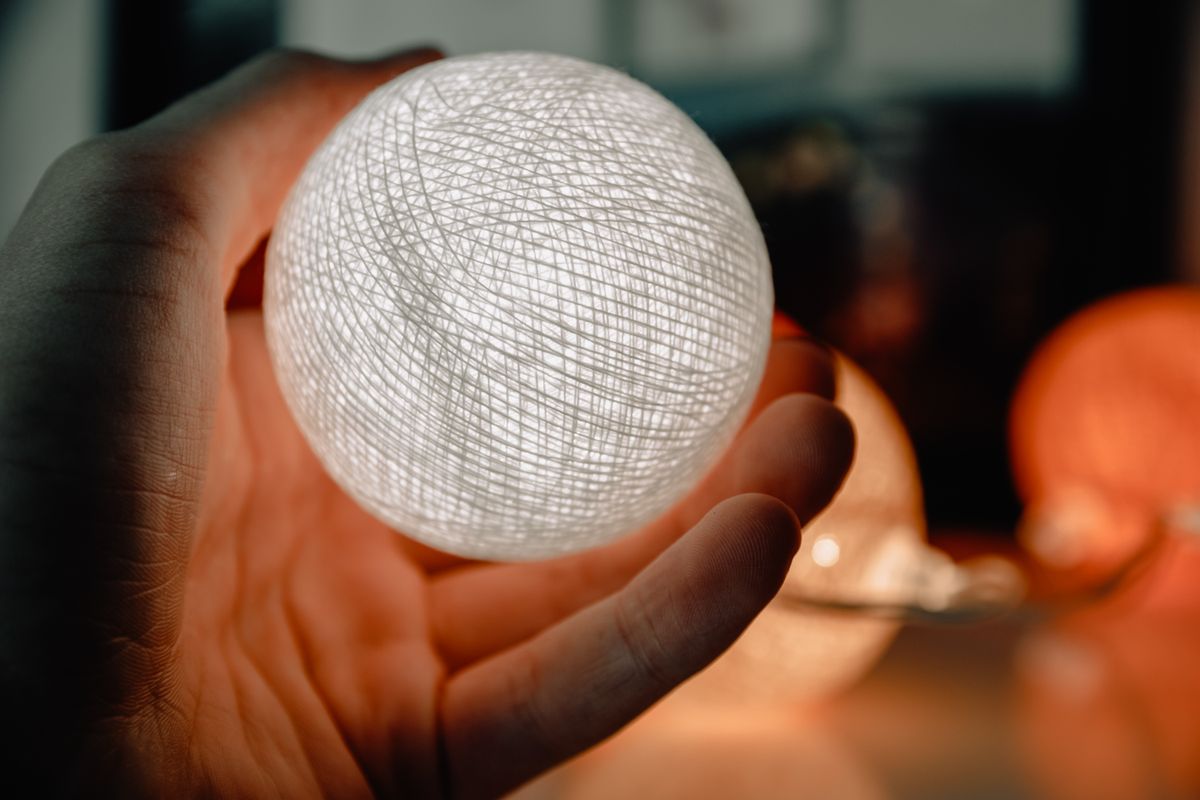
Photo by Kai Pilger on Pexels
When evaluating these devices, think of it as a matrix of wavelength precision, intensity control, and functional intent. Two axes matter here: the specific nanometer output of the light and the user interface's impact on evening wind-down routines. The Soft Glow Nights system is designed specifically to occupy the intersection of high-warmth color temperatures and low-stimulus operation. In contrast, products like the Loftie Lamp take a minimalist approach to the bedside, functioning as a dual-purpose wake-up light and evening lamp that transitions from bright to gentle. For those requiring even deeper spectral shifts, the Revive Red Lamp by Gamma Light Therapy utilizes a 670nm deep red glow, which is engineered to support melatonin and help users fall asleep faster by providing a specific science-backed wavelength.
Understanding the warm light sleep aid lamp category requires looking at how these devices handle the transition to darkness. While some users attempt to utilize a warm yellow night light video via a screen, the inherent backlight of a TV or phone often contradicts the goal of reducing blue light exposure. The decision rule: if the device serves multiple high-utility functions like an alarm or clock, ensure its lowest setting is sufficiently amber. If the goal is purely biological optimization, a dedicated lamp like Soft Glow Nights or a 670nm red light source is superior because it removes the temptation of screen interaction entirely. Evaluating whether the Soft Glow Nights lamp actually improves sleep depends largely on how consistently a user replaces their standard overhead lighting with these warmer, dimmable alternatives during the final hour before bed.
Expert tip: When setting up your sleep aid lamp, ensure it is placed below eye level. Research into the biological case for warm light suggests that light hitting the lower part of the retina—simulating a setting sun—is less disruptive to the circadian rhythm than light coming from above.
Once you see it this way, the choice between a multifunctional device like the Loftie and a specialized sleep lamp becomes a matter of environment control rather than just brightness. The goal is a seamless transition into physiological rest.